
From Data to Discovery: How AI is Making Nature Accessible to Everyone
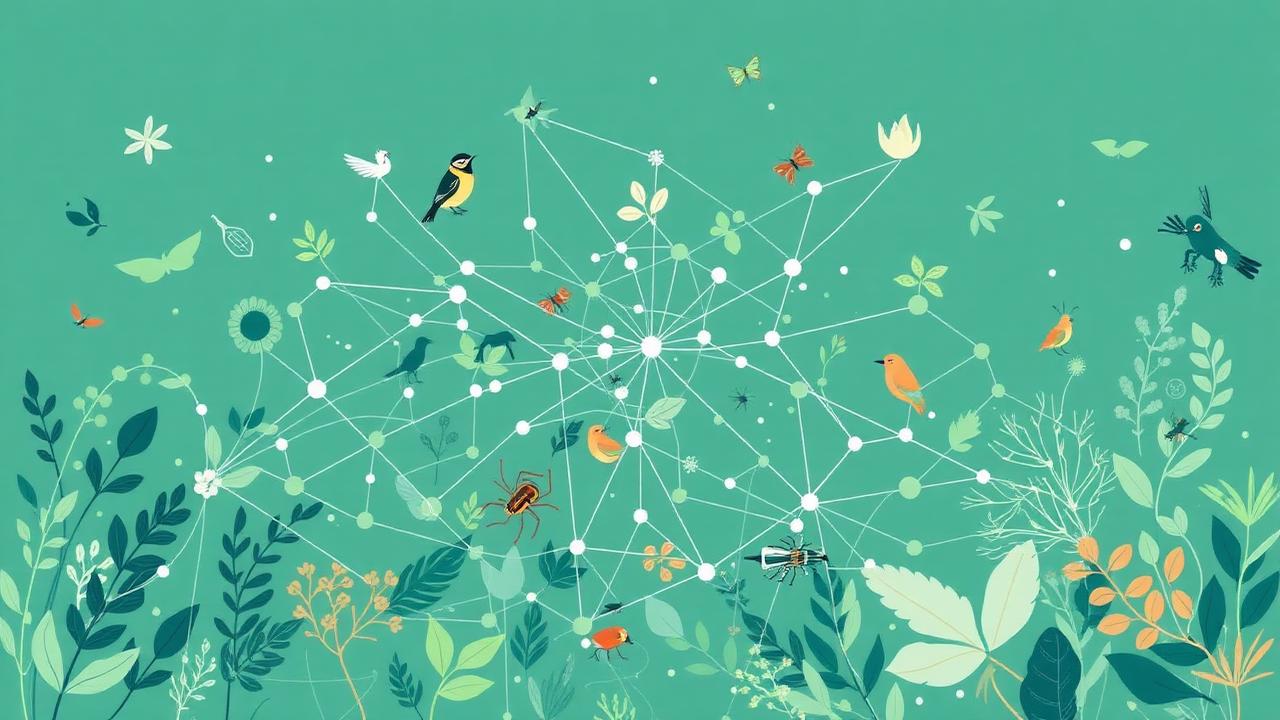
Nature has always been complex.
For most of human history, understanding it required years of study, field experience, and access to scientific knowledge that most people simply didn't have. You needed books, or an expert, or both. If you spotted something unusual on a walk and couldn't identify it, curiosity usually hit a wall — and died there.
That's changing fast.
The Knowledge Barrier (And Why It Mattered)
The barrier wasn't really a lack of interest. Most people, when they encounter something genuinely unusual in nature — an insect they've never seen, a plant growing somewhere unexpected — feel a flicker of curiosity. They want to know.
But wanting to know and being able to find out quickly are two different things. When the effort required to answer a question is high, most people don't push through. They move on. And over time, that pattern — curiosity followed by friction followed by giving up — quietly teaches people that nature is not for them.
What AI Changes
AI-powered identification tools collapse that barrier almost entirely. Point your phone at an unfamiliar plant, insect, bird, or mushroom — and within seconds you have its name, its characteristics, its role in the ecosystem, and often a set of related species to explore. What once required a field guide and an expert now requires a camera and a few seconds.
The effort required to learn drops from significant to almost nothing. And when the effort drops, curiosity survives.
A New Kind of Explorer
This creates something genuinely new: the casual naturalist. Someone who doesn't study ecology formally, but who walks through the world with their eyes open and their phone ready — noticing things, identifying them, gradually building a mental map of the living world around them.
That's a different relationship with nature than most people have ever had access to before. Not passive appreciation from a distance, but active, curious, informed engagement with what's actually there.
Beyond Identification
The most interesting impact of these tools isn't just knowing what something is — it's what comes after. When you can identify species, you start noticing patterns. You realise that certain insects only appear near specific plants. You begin to understand food chains not as textbook diagrams but as things playing out in your local park.
Ecosystems stop being abstract concepts and become visible, legible, real. That shift — from ignorance to understanding — tends to produce something else: care. People protect what they understand. They value what they can see clearly.
Final Thought
Nature hasn't changed. But our ability to understand it — instantly, accessibly, without years of study — has changed completely. AI isn't replacing the naturalist's expertise. It's democratising the starting point, so that anyone with curiosity and a smartphone can begin the same journey.
The world outside your door has always been extraordinary. Now you can finally see why.